A small marketing team can’t personally create everything a large organization needs. My approach is to increase a team’s impact in two directions: build stronger internal capabilities for work that requires professional expertise, and give employees the tools, training and resources to successfully handle more of the everyday work themselves.
The goal is less reactive production, stronger brand consistency and more capacity for strategic, high-impact work.
Building the right capabilities
Texas A&M AgriLife | Director of Marketing & Communications
As AgriLife’s communications needs expanded, I helped grow the function beyond news, graphics and web into a broader team that included photography, video, social media, marketing, executive communications and legislative communications.
We were intentional about adding expertise where it would materially improve the organization’s ability to communicate, rather than simply adding headcount.
Reducing reactive work
At the same time, we had to stop treating the central team as the answer to every flyer, invitation, social graphic and presentation request.
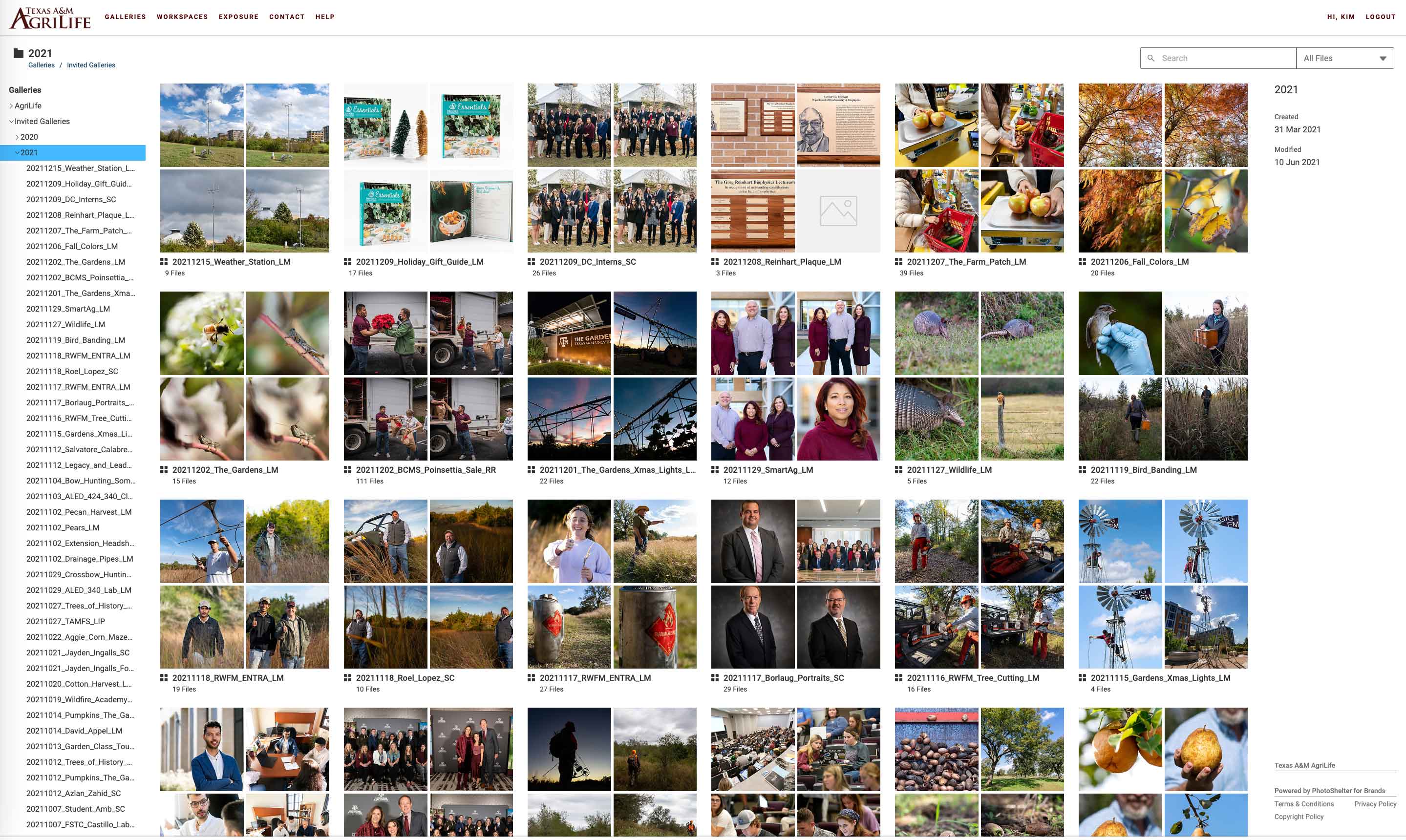
We created branded templates, clearer guidance, approved photography and training that allowed employees to handle more routine work themselves while reserving professional creative capacity for higher-value projects.
Project-management data helped us understand where team capacity was going and make the case for a different operating model. Reactive creative production dropped from roughly 70% of team workload to 20%.
5,000+
employees supported
3-person
design team
70% → 20%
reduction in reactive workload over 2 years.
Building a self-service marketing ecosystem

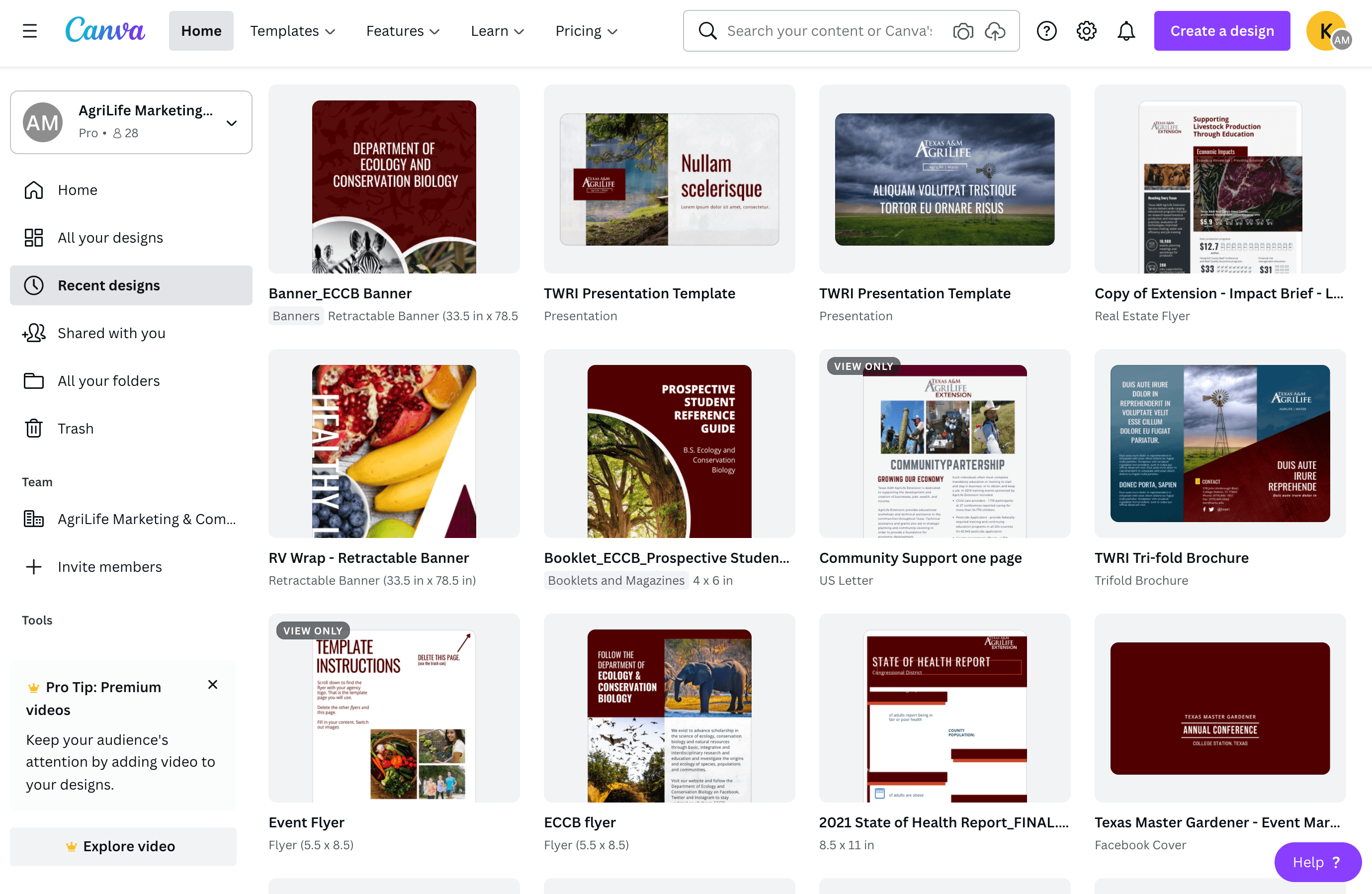
Templates alone were not enough. We connected them to a broader resource system that included brand standards, photography, training, digital guidance and practical tools employees could actually use.
Lunch-and-learns and presentations became opportunities not just to explain the tools, but to strengthen brand understanding and build relationships with communicators across the organization.
The result was a more scalable model for brand stewardship, with employees better equipped to handle everyday communications and the central team able to focus more of its time on strategic work.
Strengthening visual storytelling
We also invested in a stronger photography and multimedia capability so teams had better original content to work with across news, web, social, campaigns and publications.
That reduced reliance on inconsistent one-off imagery and gave the organization a much stronger visual storytelling library.